Bhagavad-gita As It Is

His Divine Grace A.C. Bhaktivedanta Swami Prabhupada

18 chapters
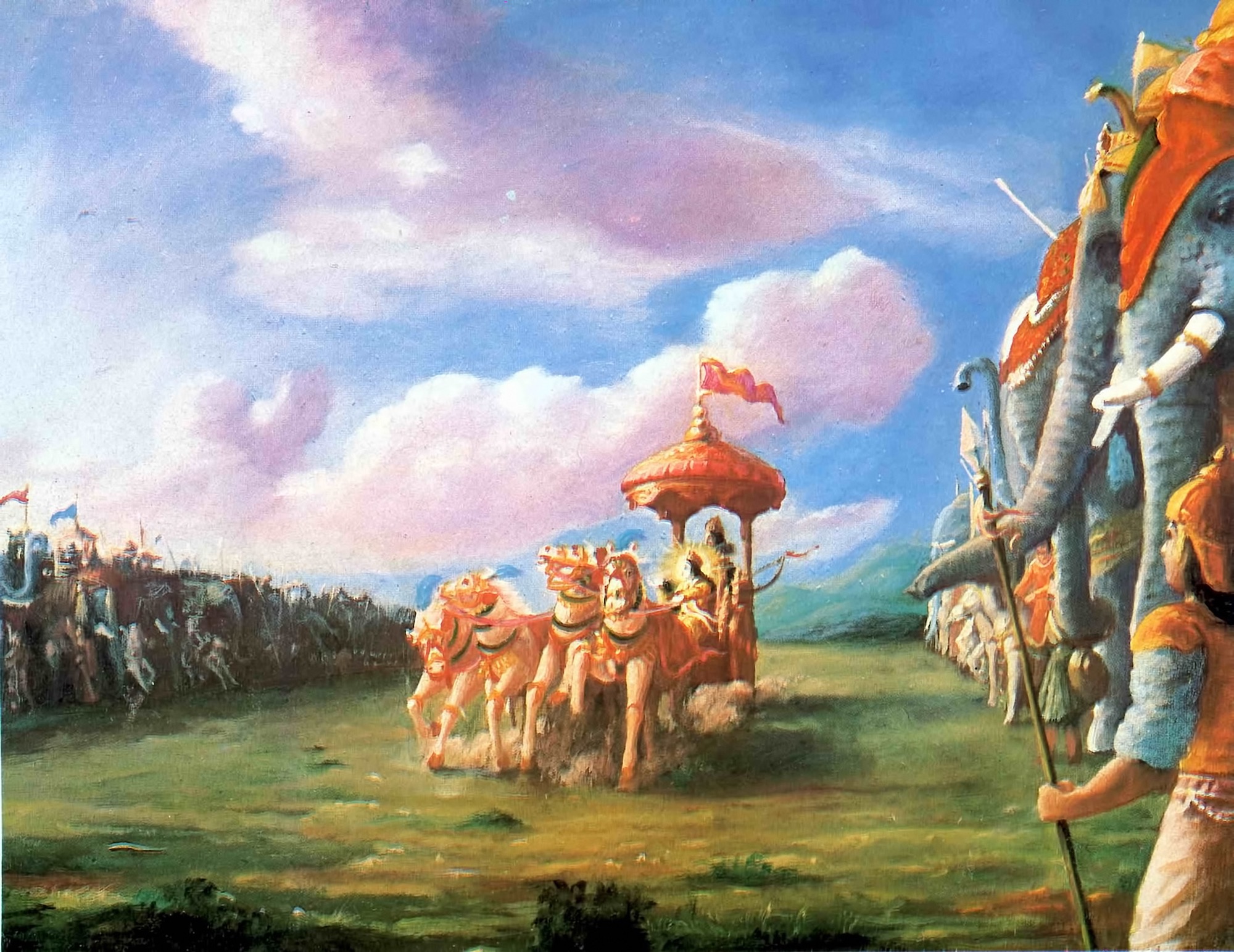
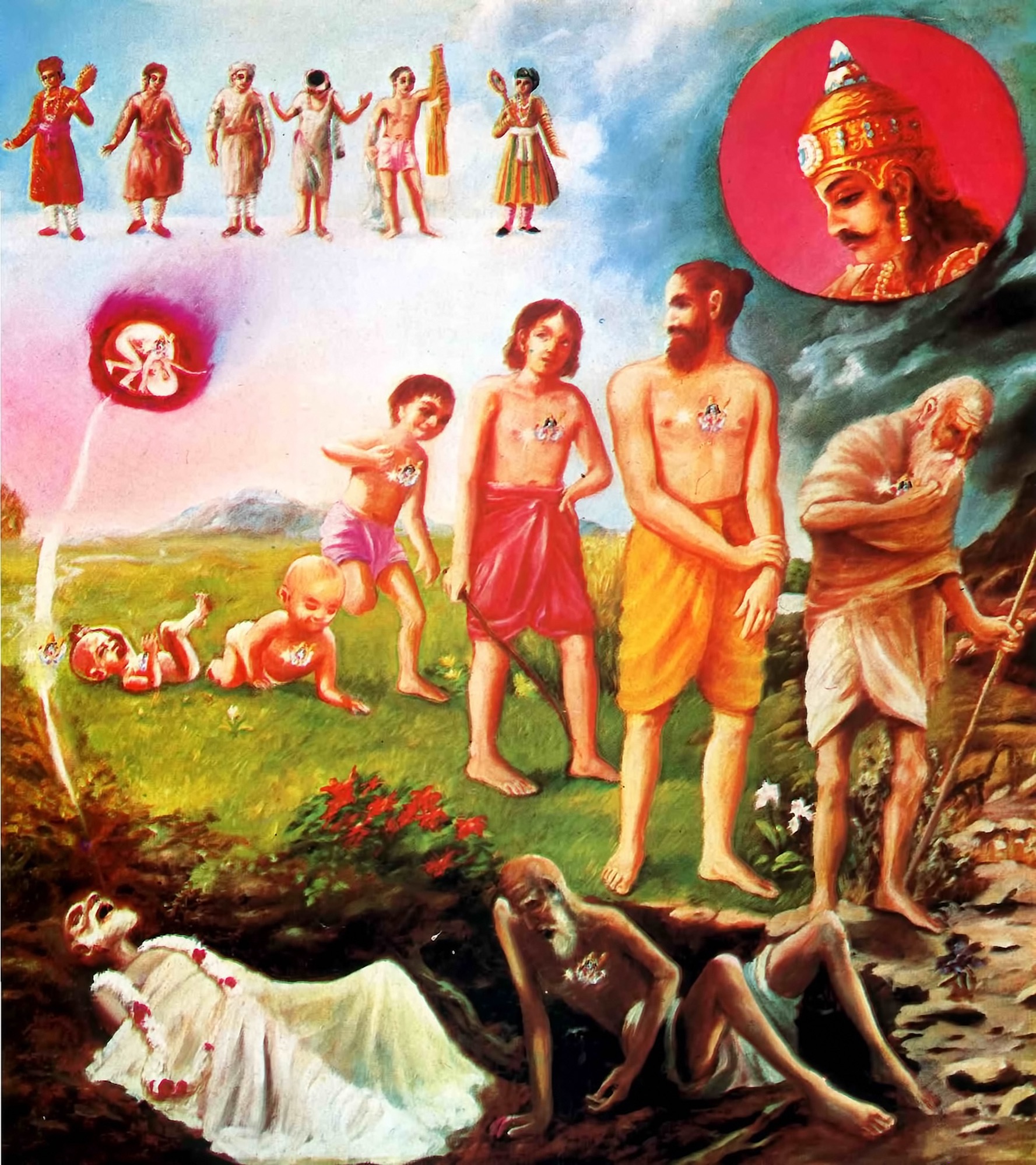
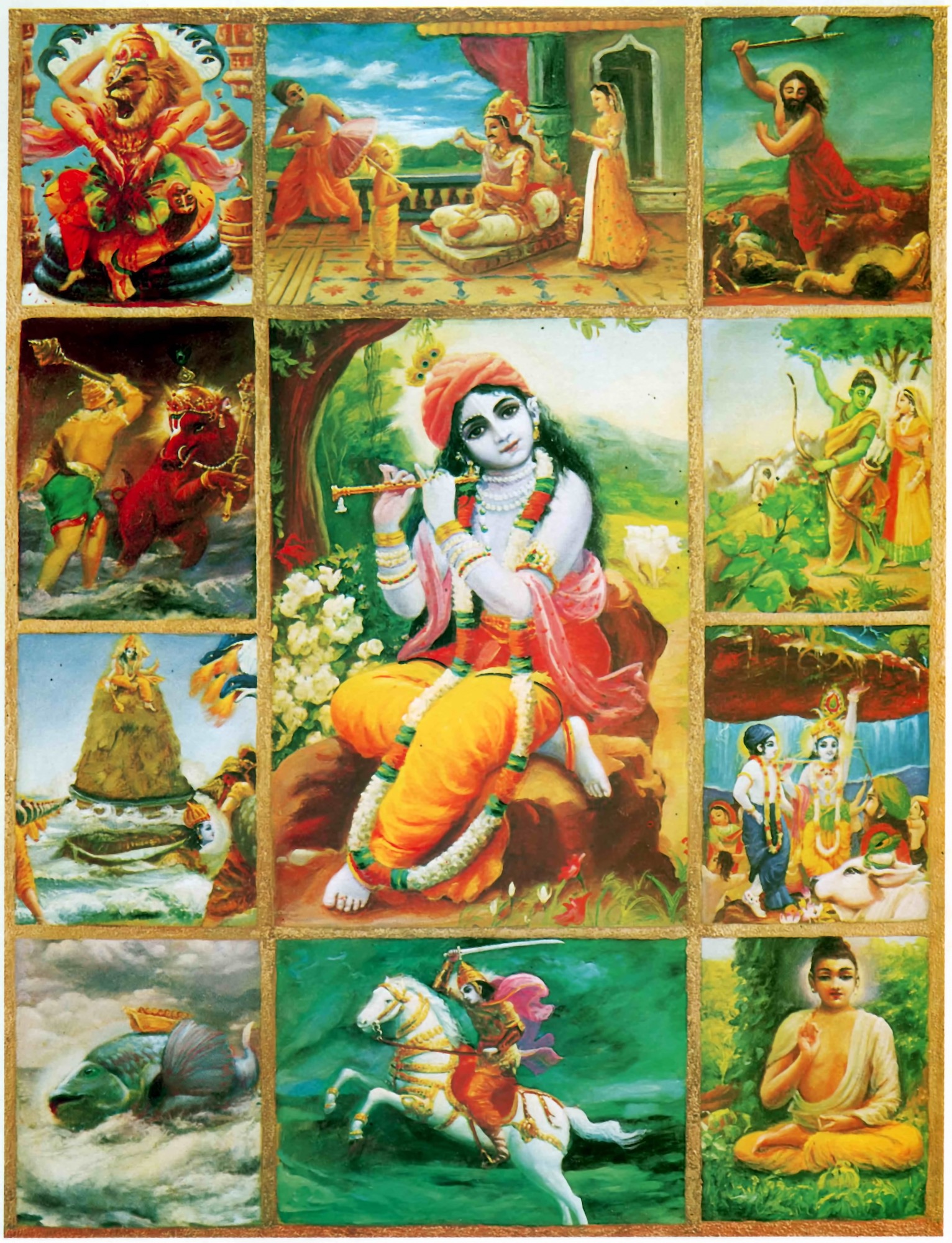
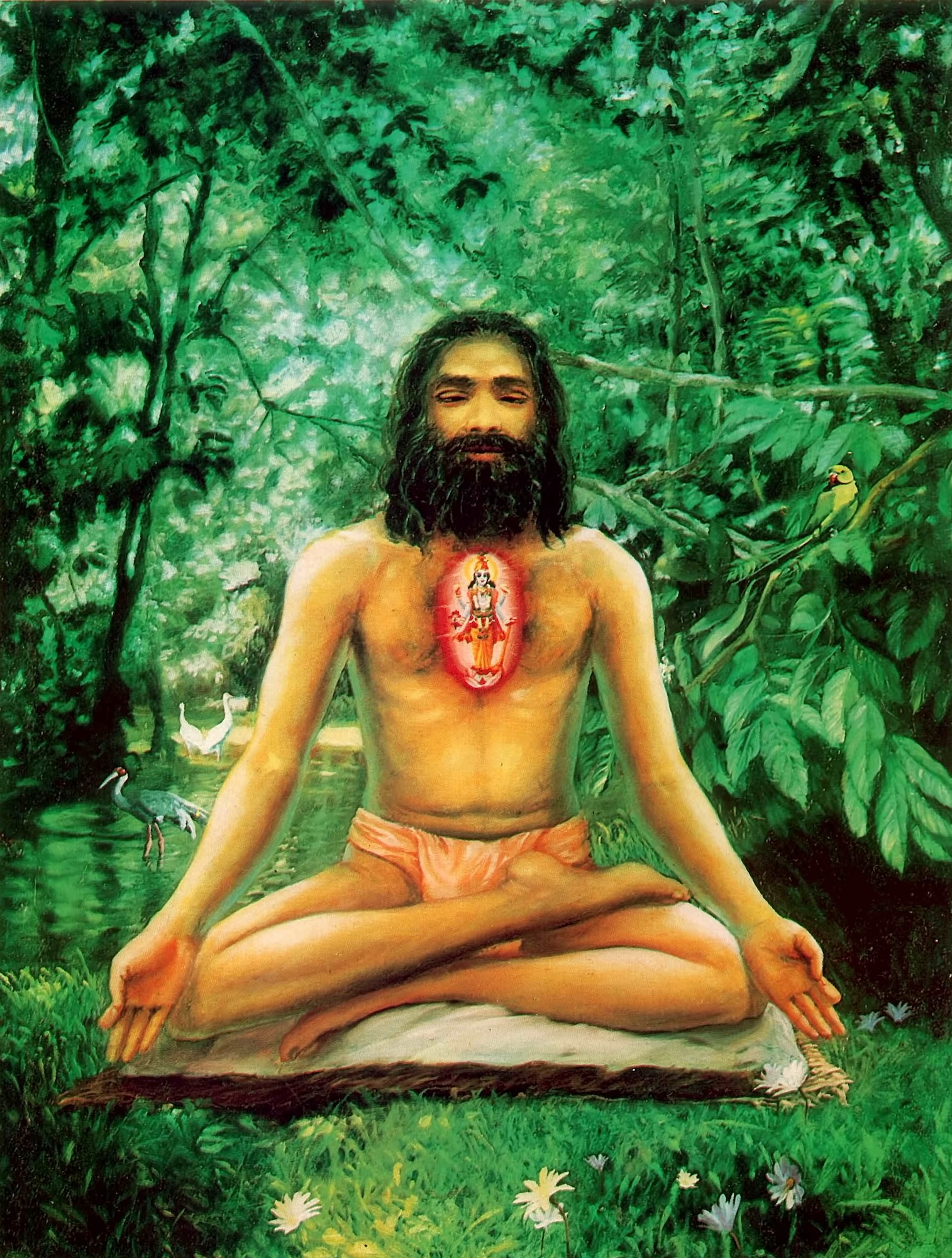
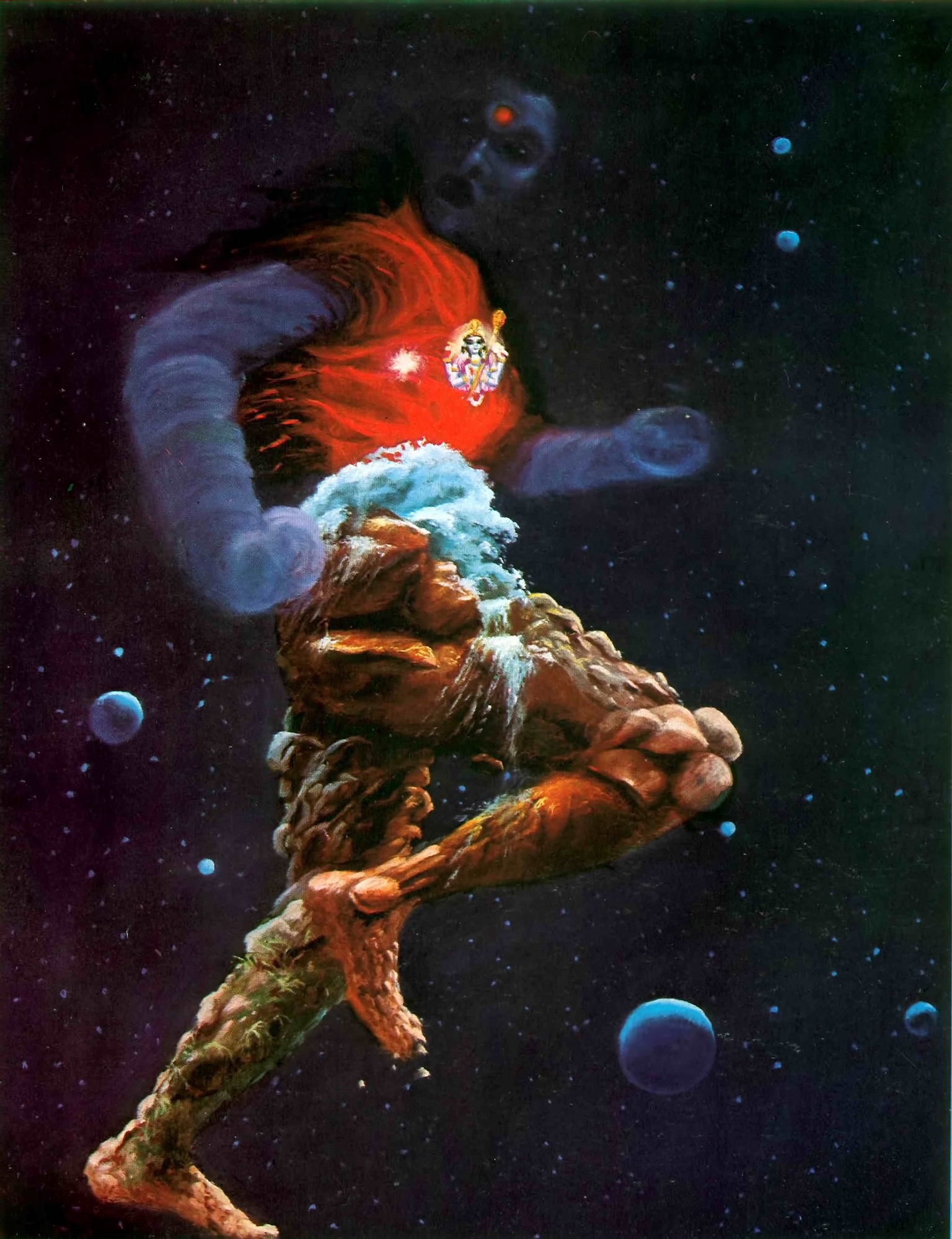
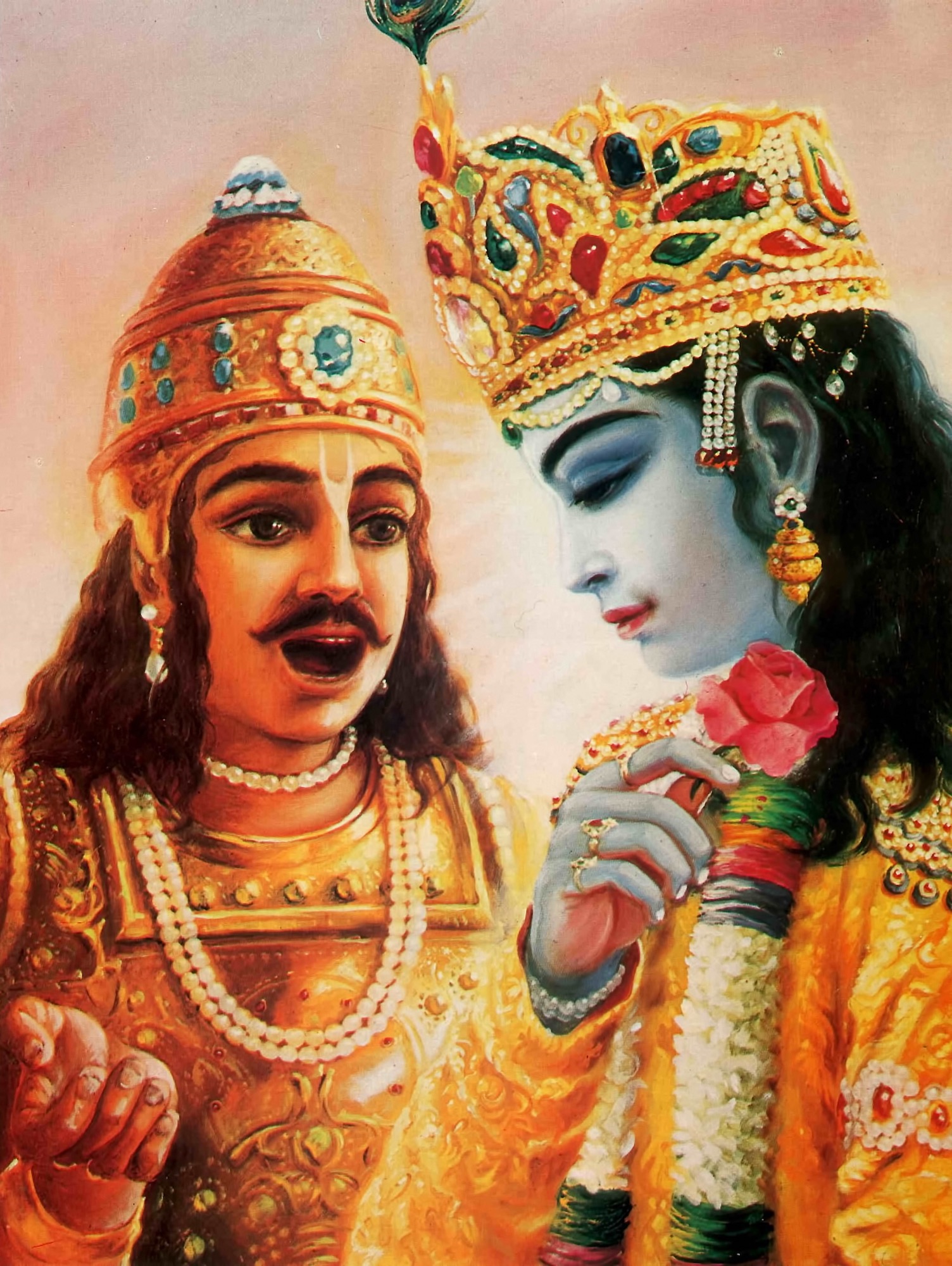
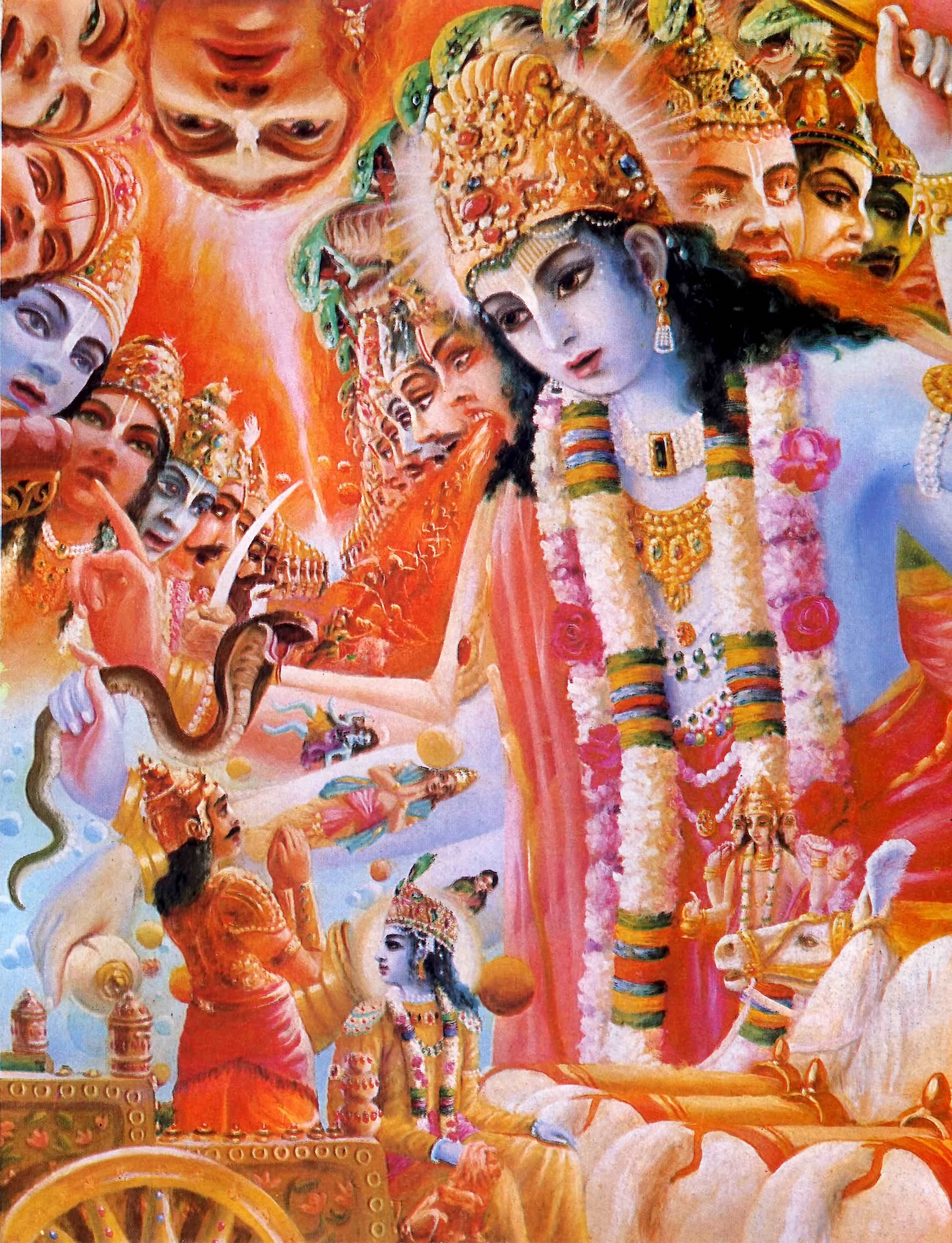
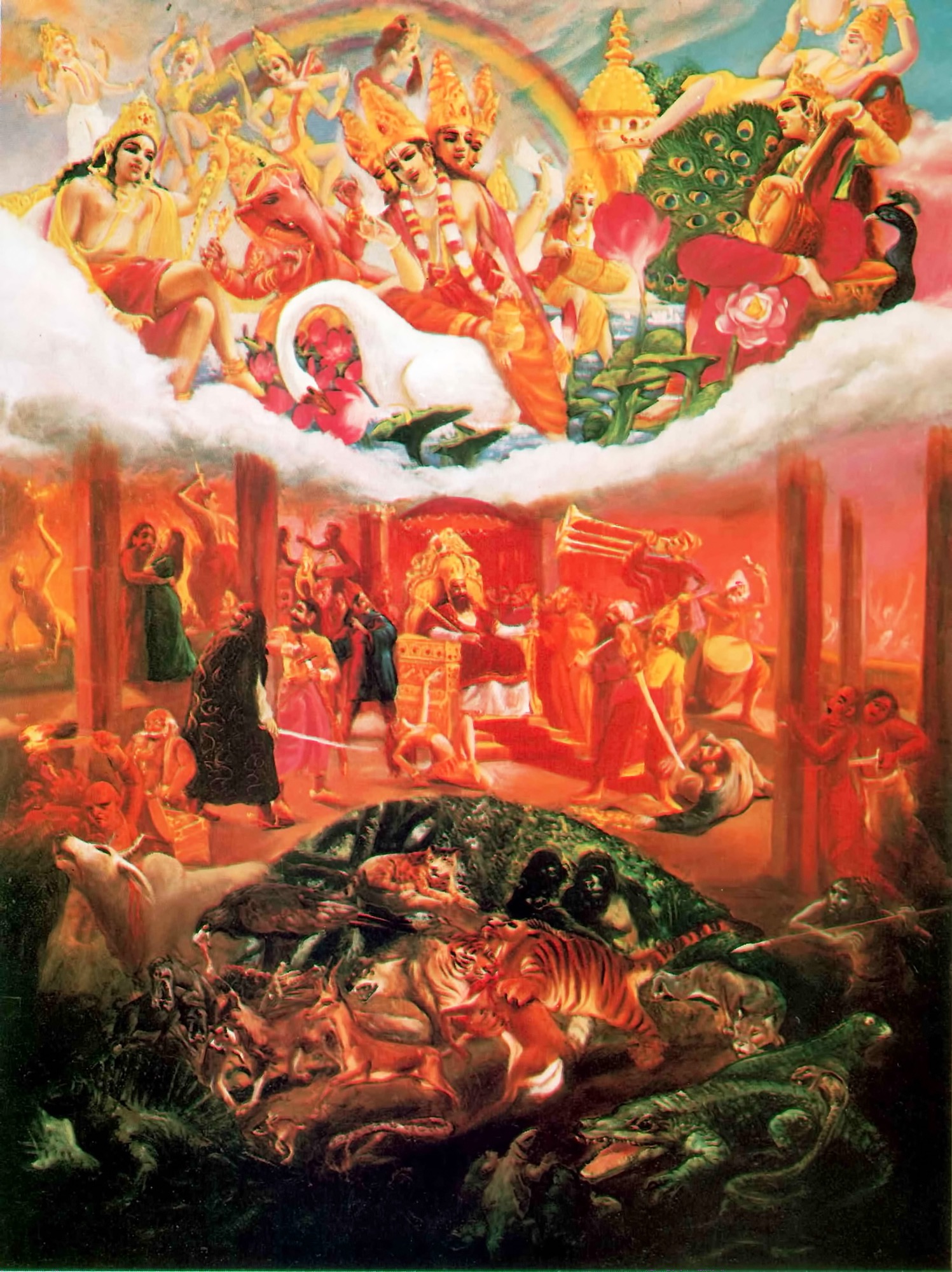
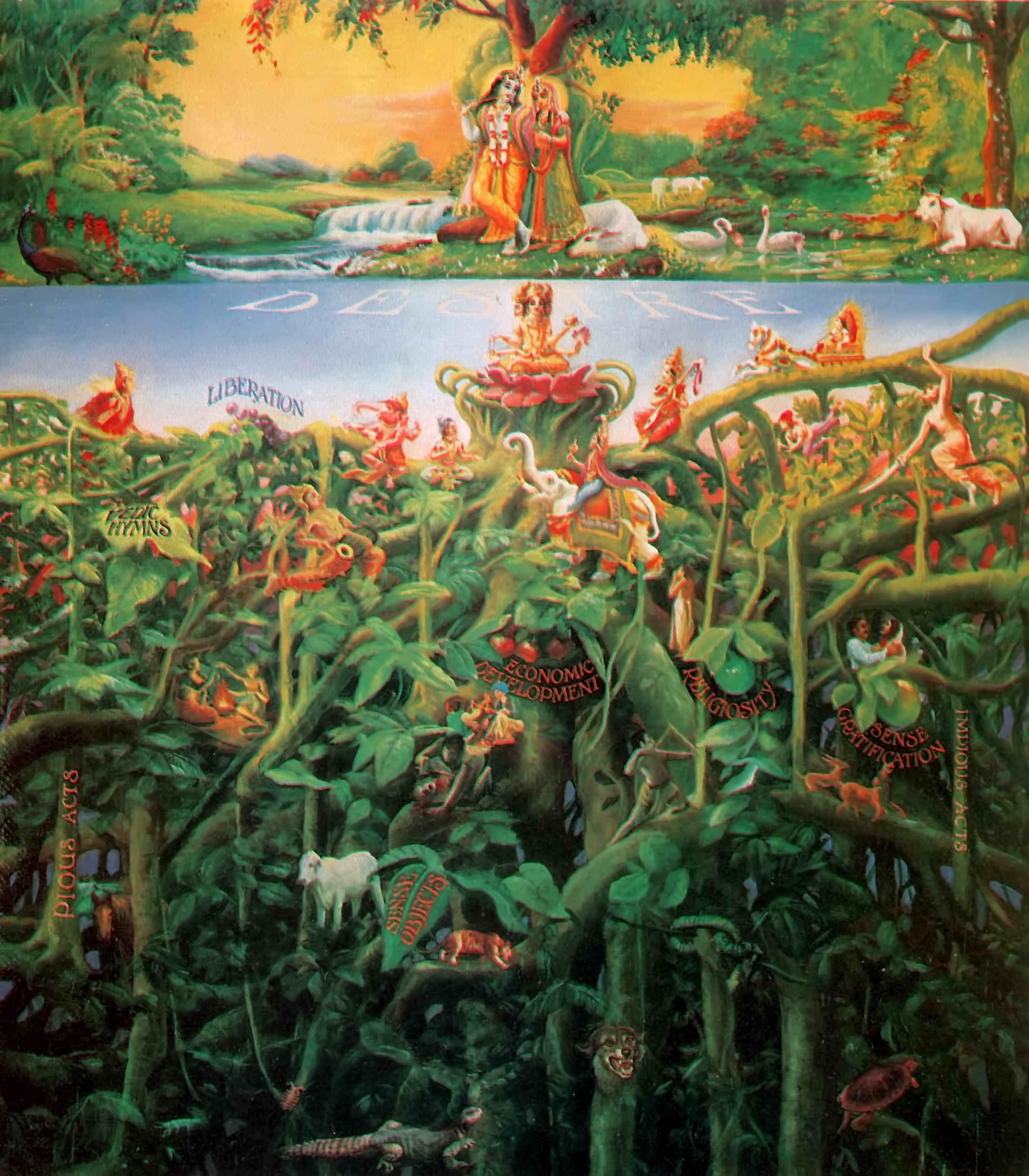
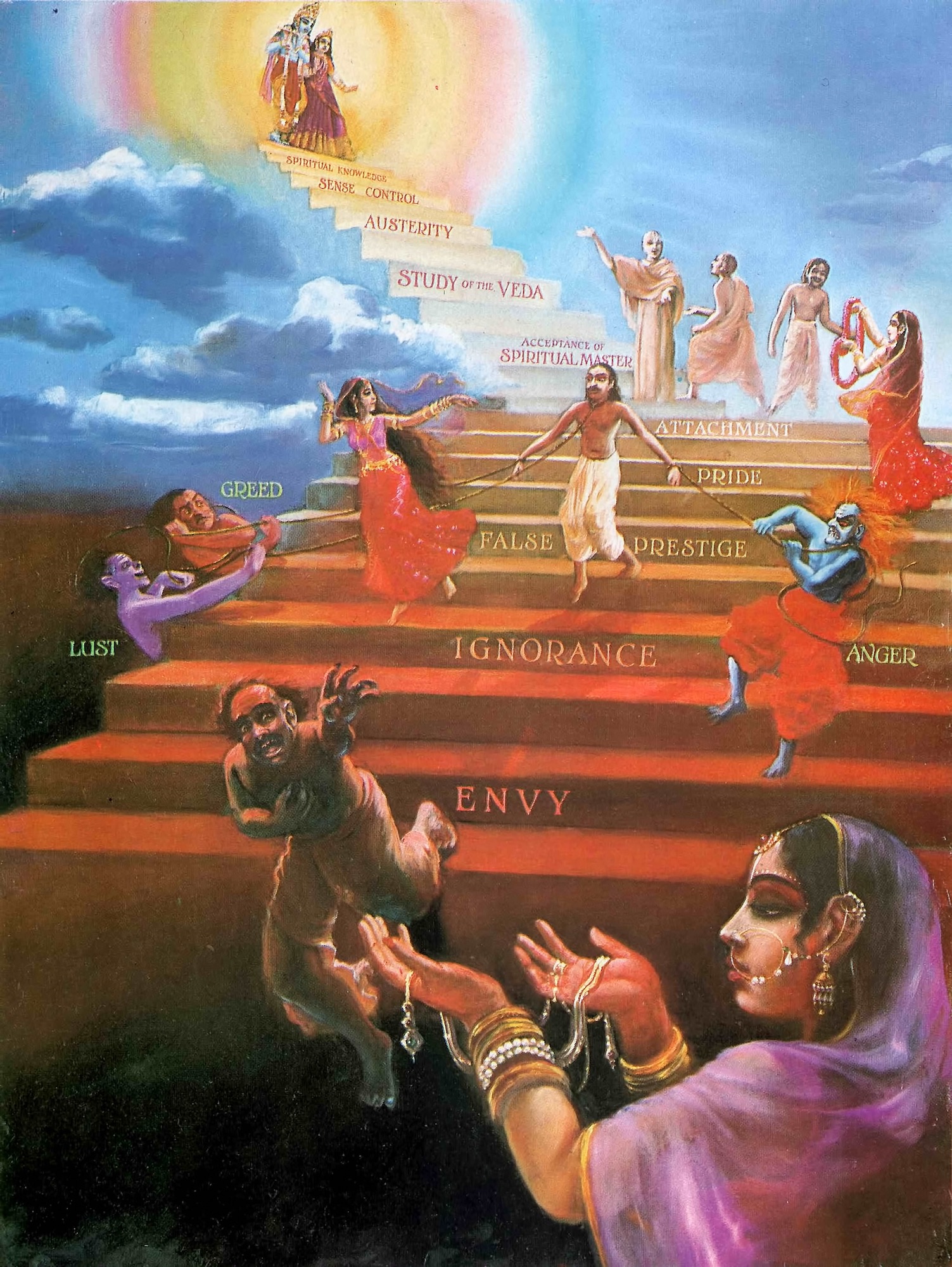
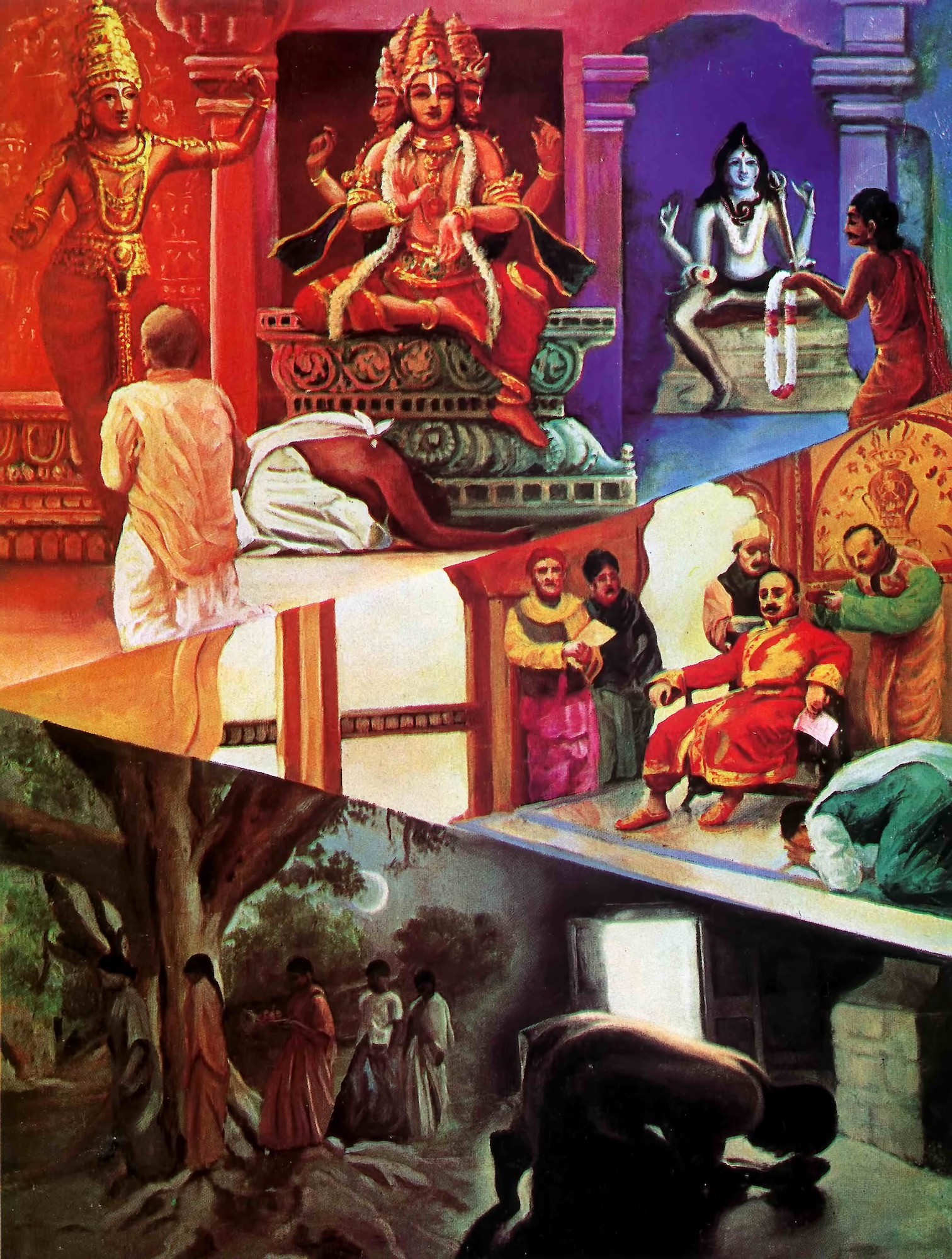
1. Observing the Armies on the Battlefield of Kurukṣetra Arjuna surveys the opposing armies on the battlefield of Kurukṣetra and becomes overwhelmed with compassion and confusion, unable to fight against his relatives and teachers. 2. Contents of the Gītā Summarized Kṛṣṇa begins His instruction by explaining the eternal nature of the soul, the principles of karma-yoga, and the path of self-realization. This chapter contains the essence of the entire Gītā. 3. Karma-yoga Kṛṣṇa explains the path of selfless action (karma-yoga), the importance of performing one's prescribed duties, and how work should be done as sacrifice for the Supreme. 4. Transcendental Knowledge Kṛṣṇa reveals the divine purpose of His incarnations, explains the ancient science of yoga through disciplic succession, and describes how transcendental knowledge leads to liberation. 5. Karma-yoga — Action in Kṛṣṇa Consciousness Kṛṣṇa compares the paths of renunciation and work in devotion, explaining that both lead to liberation, but karma-yoga in devotional service is superior and more practical. 6. Sāṅkhya-yoga Kṛṣṇa describes the aṣṭāṅga-yoga system of meditation, the importance of controlling the mind, and assures that a failed yogī gets another chance in the next life. 7. Knowledge of the Absolute Kṛṣṇa explains His energies—material and spiritual—and describes the four types of pious people who approach Him, and the four types of miscreants who do not. 8. Attaining the Supreme Kṛṣṇa explains the importance of remembering Him at the time of death, the paths of light and darkness after death, and how constant devotion guarantees return to the spiritual world. 9. The Most Confidential Knowledge Kṛṣṇa reveals the most confidential knowledge—how He pervades and maintains the entire universe while remaining aloof, and how simple devotional offerings please Him. 10. The Opulence of the Absolute Kṛṣṇa describes His divine opulences and manifestations throughout creation, explaining how He is the source of everything and can be known through His extraordinary representations. 11. The Universal Form At Arjuna's request, Kṛṣṇa reveals His awesome universal form containing all of creation. Arjuna witnesses the terrifying vision of time devouring all, then begs to see Kṛṣṇa's human-like form again. 12. Devotional Service Kṛṣṇa explains that devotional service to His personal form is the highest path. He describes the qualities of pure devotees and various progressive stages of spiritual practice. Ch. 13 13. Nature, the Enjoyer, and Consciousness Kṛṣṇa distinguishes between the body (the field), the soul (the knower of the field), and the Supersoul. He explains the elements of material nature and how to transcend them through knowledge. 14. The Three Modes Of Material Nature Kṛṣṇa explains the three modes of material nature—goodness, passion, and ignorance—how they bind the soul, their symptoms and effects, and how to transcend them through devotion. 15. The Yoga of the Supreme Person Kṛṣṇa describes the material world as an inverted banyan tree with roots above. He explains His position as the Supreme Person beyond both the fallible and infallible, and the goal of Vedic knowledge. 16. The Divine And Demoniac Natures Kṛṣṇa contrasts divine and demoniac qualities, describing how those with demoniac nature deny God, follow material desire, and descend to hellish life, while divine qualities lead to liberation. 17. The Divisions of Faith Kṛṣṇa explains how the three modes of nature determine one's faith, worship, food preferences, and austerities. He reveals the transcendental syllables oṁ tat sat as representing the Absolute Truth. 18. Conclusion — The Perfection of Renunciation In the final chapter, Kṛṣṇa summarizes the knowledge of the Gītā, distinguishing between types of renunciation, and gives His supreme instruction: abandon all varieties of religion and surrender unto Him alone.